type
Post
status
Published
状态
发布
date
May 13, 2025
slug
good-habits-bad-habits
summary
养成好习惯和戒掉坏习惯需要时间和意志力,通过小奖励和改变环境可以帮助实现目标。习惯的形成与多巴胺有关,长期改变习惯需削弱旧刺激并强化新目标。
tags
健康
精读
英译汉
经济学人
category
精读精译
icon
password
参考标签
#好习惯 #坏习惯 #心理学 #多巴胺 #养成习惯 #生活窍门 #新年决心 #自我提升 #健康生活 #情绪管理
全文精译
粉色高亮:翻译思路中讲解的例句
黄色高亮:精读板块中讲解的单词和词组
绿色高亮:句式语法中讲解的例句
Science & technology | Well informed
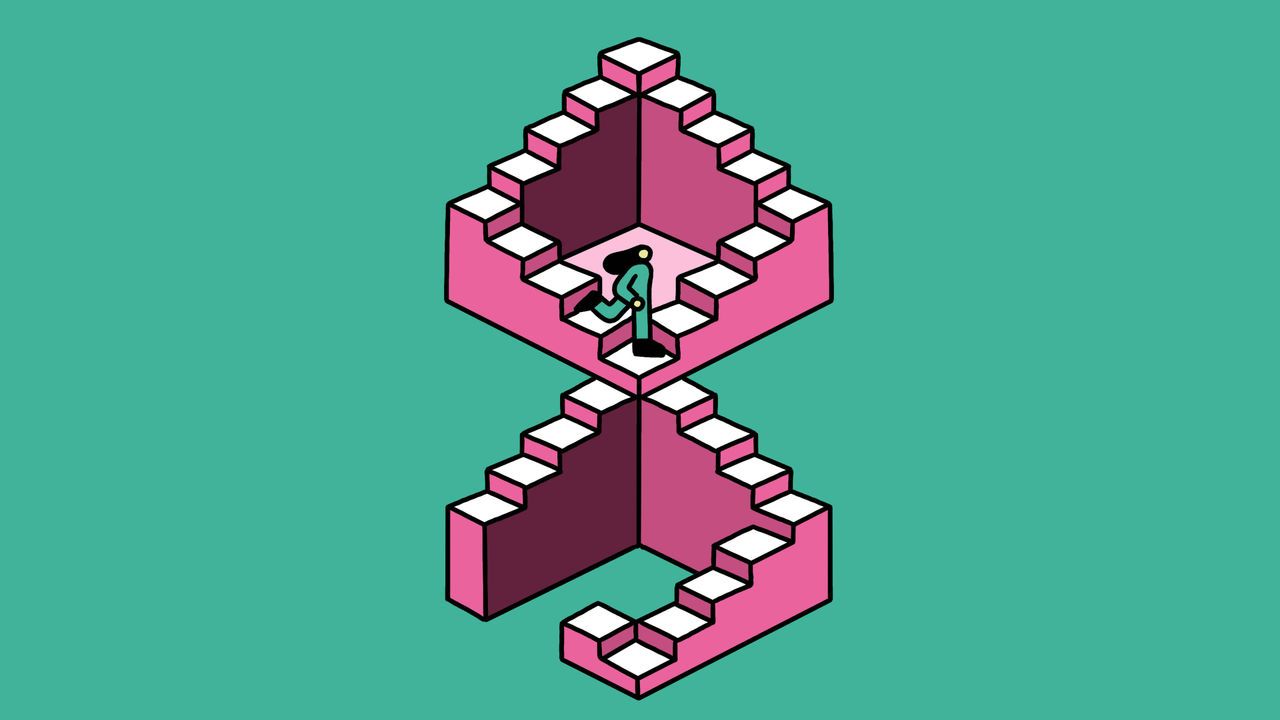
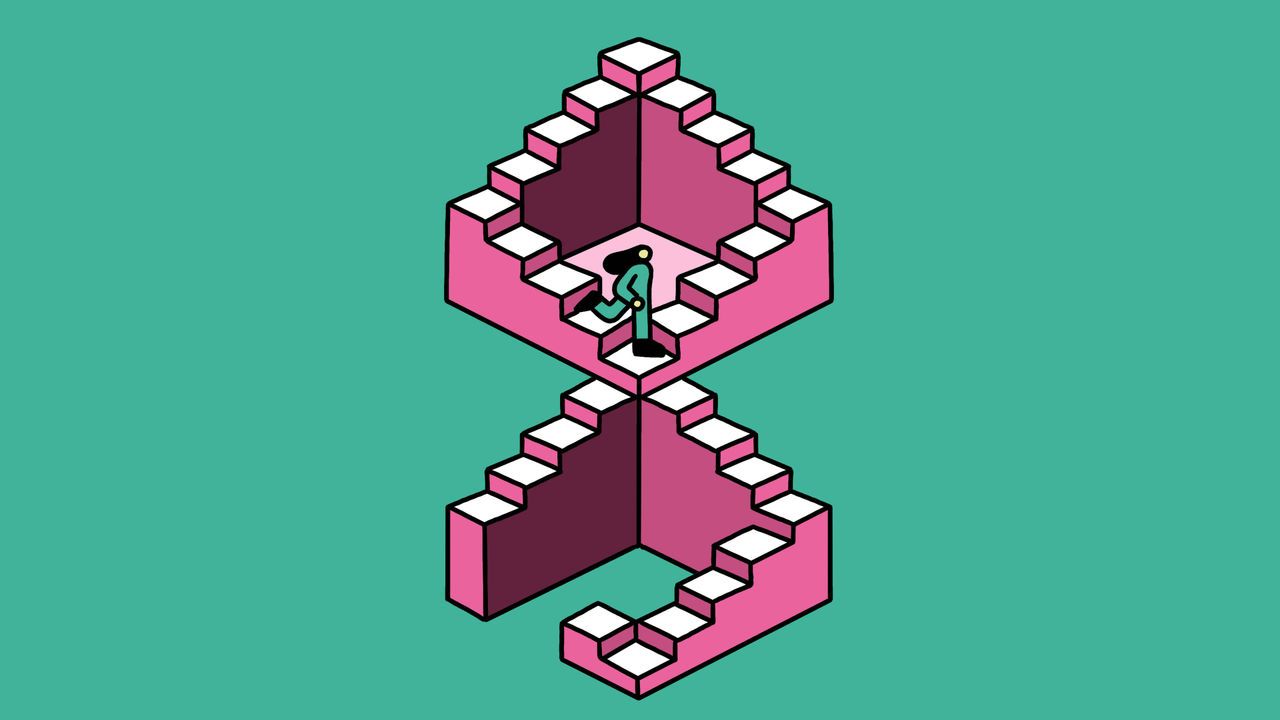
Illustration: Cristina Spanò
Apr 17th 2025
Did you make any resolutions this new year? If you did, are you keeping to them? Well done if you are. Polling in America suggests half of new-year resolvers give up by the end of March. More rigorous scientific studies confirm that it takes months for a new behaviour to stick, regardless of when you start.
元旦的时候立flag了吗?坚持下来了吗?如果有,那你可真棒。美国的问卷调查发现,到了三月底,一半的人会放弃自己的新年目标。严谨一些的学术研究则表明,要想养成新的习惯,起码也要几个月,不管是不是新年开始。
Habitual behaviour emerges in response to dopamine, a chemical associated with pleasure, being produced as a consequence of a certain action. Two brain systems are involved. One, in the basal ganglia (a set of structures deep in the brain’s interior), responds automatically and predictably to certain stimuli. For example, your morning alarm is a stimulus that activates your “getting up” habit. This will include sub-habits such as “shower”, “make coffee”, “get dressed”, “drive to office” and so on, each with their own triggering stimuli and dopamine reward.
多巴胺,是一种给人带来愉悦和满足的神经递质。养成习惯与多巴胺息息相关,每完成一件事,大脑就会分泌多巴胺。参与这个机制的系统有两个。第一个是基底核(basal ganglia),它是大脑深部一组神经核团,会自动甚至提前对某些刺激做出反应。比如,早上闹钟响了,这就是一个刺激,会激活“起床”的习惯,还有一系列成套的“子习惯”,比如“洗漱”、“喝咖啡”、“换衣服”、“开车去上班”等等,每一个习惯都有自己的刺激信号,做完之后也都有自己的多巴胺奖励。
The other brain system, which is goal-directed, is located in the cortex, that organ’s outer layer. Its dopamine reward comes from a deliberate action being successfully performed. This goal-directed system can, if necessary, override the stimulus-response one. For example, if the radio tells you of a traffic problem, the “drive to office” sub-routine will need conscious modification.
另一个大脑系统就是大脑皮层(cortex),它位于大脑的外层,是以完成目标为核心的系统。如果我们深思熟虑后主动付诸行动,取得成功,这个系统就会分泌多巴胺。在必要的时候,这个以完成目标为核心的系统,甚至会取代“受刺激-给反应”那套系统,优先发挥作用。比如,如果广播上说路上发生交通事故,那“开车去上班”的习惯就得主动调整一下了。
For one-off modifications of habits, this arrangement of routine and override works well. But permanent changes, such as either breaking an old habit or making a new one, are thought to require weakening the stimulus-driven system to reduce the pertinence of old stimuli and strengthening the goal-directed one to increase that of new ones.
偶尔一次不按习惯来做,用这种临时取得优先权的机制的确够用。但,对于长期地改变习惯,比如戒掉坏习惯、养成好习惯,一般就需要削弱“受刺激-给反应”的机制,减少旧刺激、旧信号的粘性,然后通过强化以完成目标为核心的系统,增加新刺激、新信号的粘性。
In a paper published in January, Eike Buabang and his colleagues at Trinity College, Dublin, review the evidence behind various ways in which this can be done. In practice, most proven approaches seem to operate on the stimulus-response side of the equation. Deliberate repetition, that stalwart of hopeful resolution-makers, trains the brain so that what was once goal-directed becomes automatic. In the case of driving to work, the incentive to do this is strong (you won’t get paid otherwise). For things more easily abandoned, reinforcement with small rewards (whether the kick of having lost another kilo at your weekly weigh-in or the praise generated by language-learning or fitness apps) works similarly. To break an unwanted habit, on the other hand, consider removing familiar stimuli. Moving house is known to help—though calling in the removal vans is a drastic approach to resolution-keeping.
一月,都柏林三一学院(Trinity College, Dublin)的艾克·布邦(Eike Buabang)团队梳理了长效改变习惯的各种方法和证据。现实中,大部分证实有用的方法,针对的都是“受刺激-给反应”的机制。而新年立flag的人,靠的是刻意主动重复,训练大脑,让原来为了实现目标而做的事,反复操练成为习惯,习惯成自然。开车上班这件事,本来就有很强大的动力(毕竟不上班就没工资)。而容易放弃的一些小事,则可以用小赢小奖提供类似的动力(比如又瘦了两斤、外语学习APP或者健身APP上达成新成就得到的那种爽感)。要戒掉坏习惯,则可以试一试避免或者去除旧刺激。一般来说,搬家很有用,不过为了实现目标就搬家是有点夸张。
Why people learn bad habits in the first place remains mysterious. Most habits form precisely because they are helpful. Automatic behaviours, such as those involved in a morning routine, reduce cognitive load and free mental resources for other tasks, such as working out what to say in the ten-o’clock meeting. But these mechanisms can be subverted. The nicotine inhaled by smoking tobacco—a type of habit so powerful that it has a special name, “addiction”—stimulates dopamine production directly. This is something natural selection could not have foreseen. Non-addictive habits like procrastination are harder to explain.
至于人为什么会沾染坏习惯,至今仍是个谜。人之所以形成习惯,是因为大部分习惯都有它们的用处。类似清晨起床的一套习惯,行云流水地下意识行动,可以减少认知负担,把精力节省下来,完成其他的事,比如思考10点钟开会该说什么。但有些坏事也会利用大脑里形成习惯的机制。比如抽烟吸入尼古丁,就是一种很难戒除的习惯,也叫“成瘾”,它能直接刺激大脑分泌多巴胺。这简直是自然选择始料未及的bug。像拖延症这类非成瘾性习惯的机制,则更难解释。
In the end, though, all this science continues to support the idea that, when it comes to habit-formation, good old-fashioned willpower is the way forward. As the old joke has it: “How many psychoanalysts does it take to change a light bulb? Only one, but the light bulb has to really want to change.”
不过,所有这些科学研究最终都支持这样一种观点,在习惯养成方面,意志力虽然老生常谈,但绝对是不二之选。就像一个老笑话说的,“换灯泡需要几个心理医生?只需要一个,前提是灯泡自己真心想要改变”。
精读精讲——单词短语
threshold
n. the level of point at which you start to experience something, or at which something starts to happen 阈值,界限;七点
e.g. I have a low boredom threshold (=i do feel bored easily.)
我很容易感到厌倦。
aerobically
adv. in an aerobic manner: "with oxygen" or relating to processes that require the presence of free oxygen to occur. 有氧地,需氧地
(形容词形式为aerobic)
e.g. When you work out aerobically, your body burns calories (and fat) in three specific ways.
taper
v. (shape or form) to become progressively smaller or narrower at one end.
e.g. The spire of the building tapers to a point.
v. (athletics and training) to gradually reduce the volume or intensity of a workout routine before a major competition (like a marathon) to allow the body to rest.
e.g. Runners typically taper their mileage in the final two weeks before the race day.
v. (finance and economics) a gradual reduction in the amount of stimulus or central bank actions (like quantitative easing) provided to the economy,
e.g. The Federal Reserve’s decision to taper its bond-buying program caused ripples in the stock market.
v. (healthcare) the act of slowly and gradually reducing a medication or dosage rather than stopping abruptly (”cold turkey”) to safely wean the body off it.
e.g. It is important to taper antidepressants to avoid withdrawal symptoms.
Loading...